


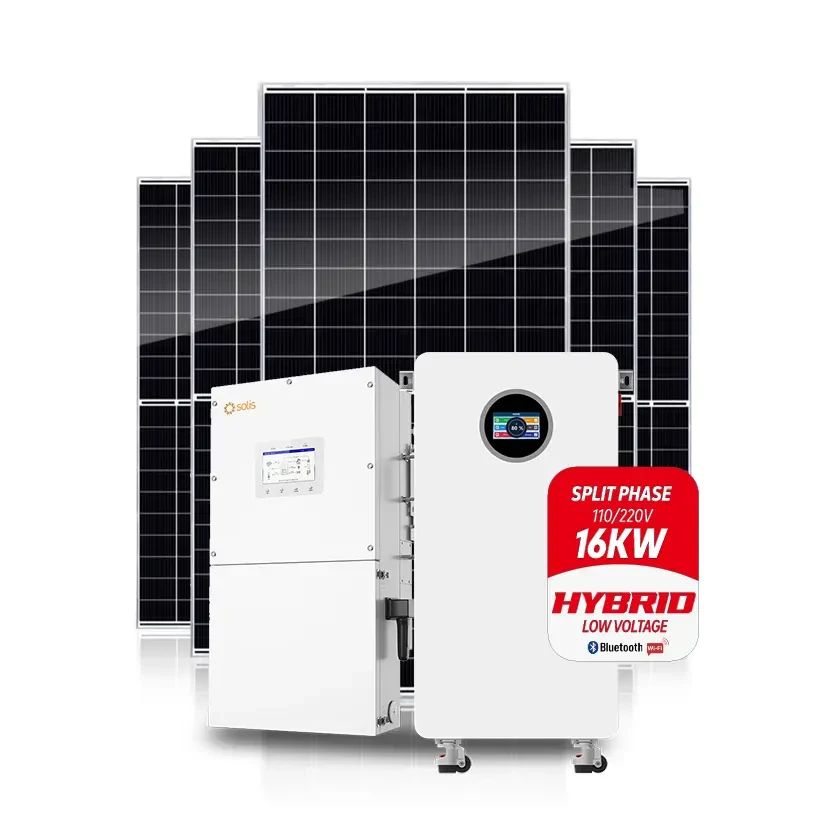

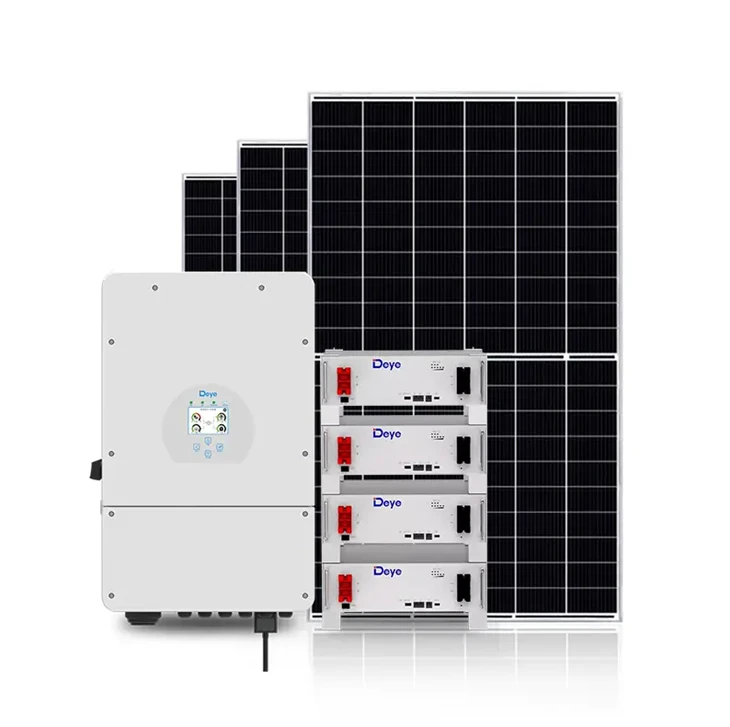
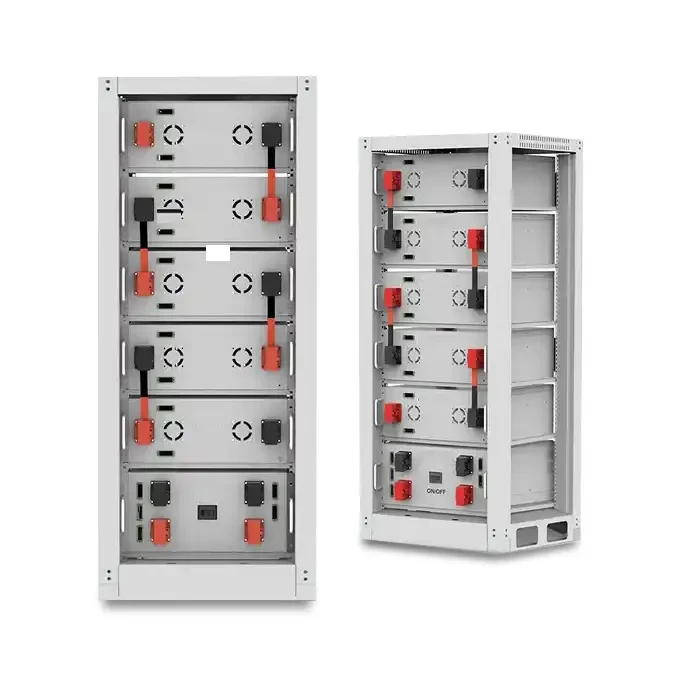
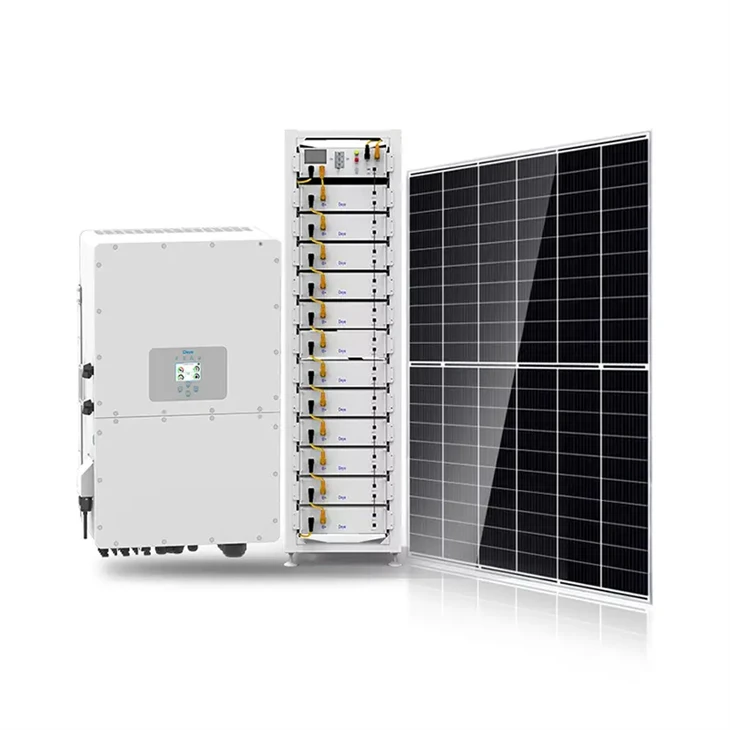
Key Components of a hybrid solar generator system
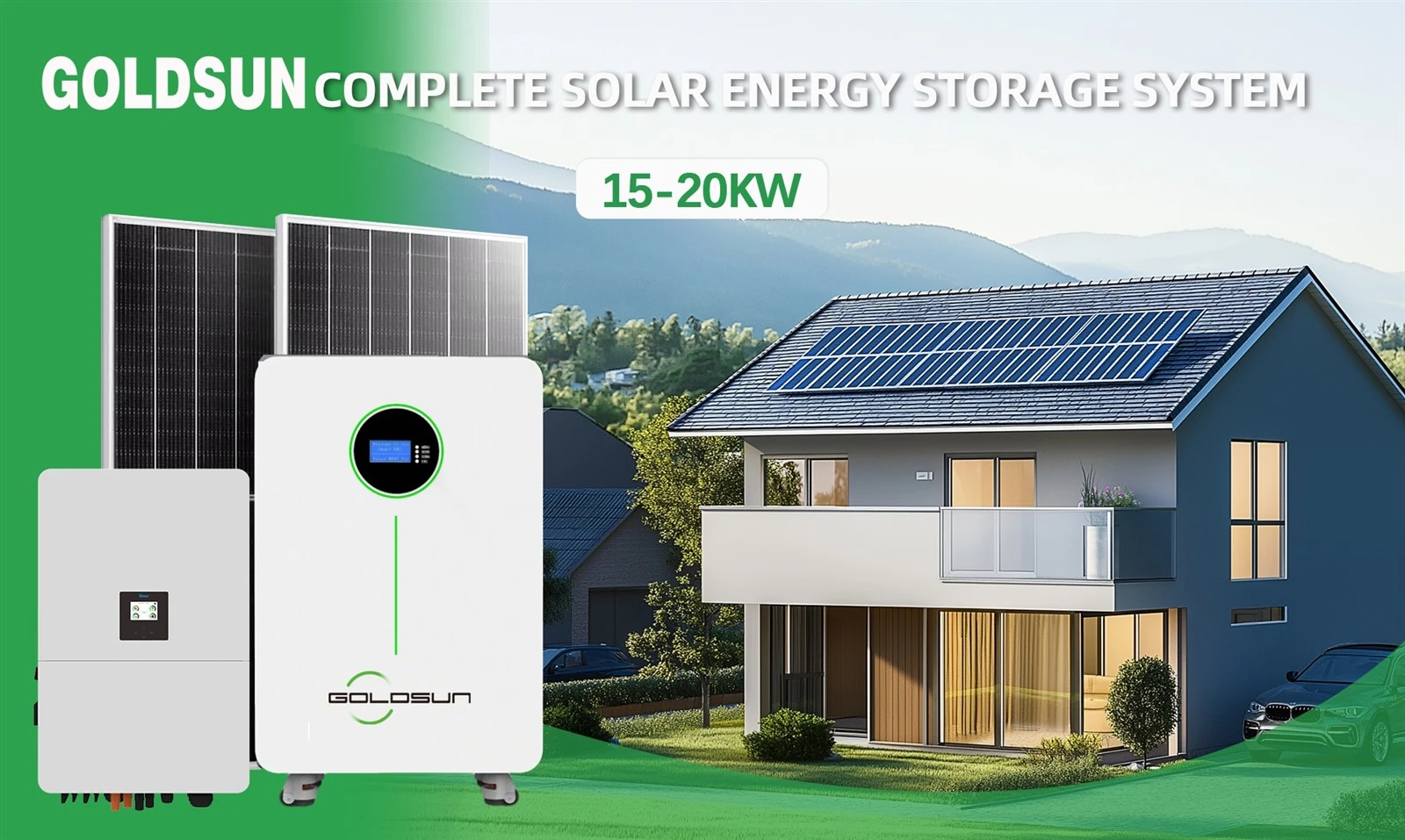
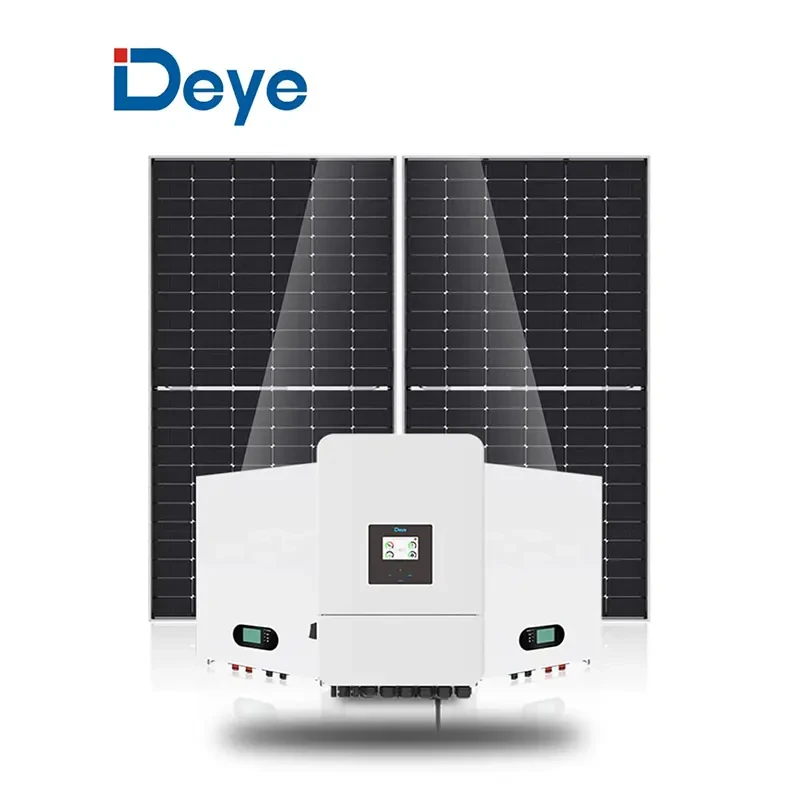
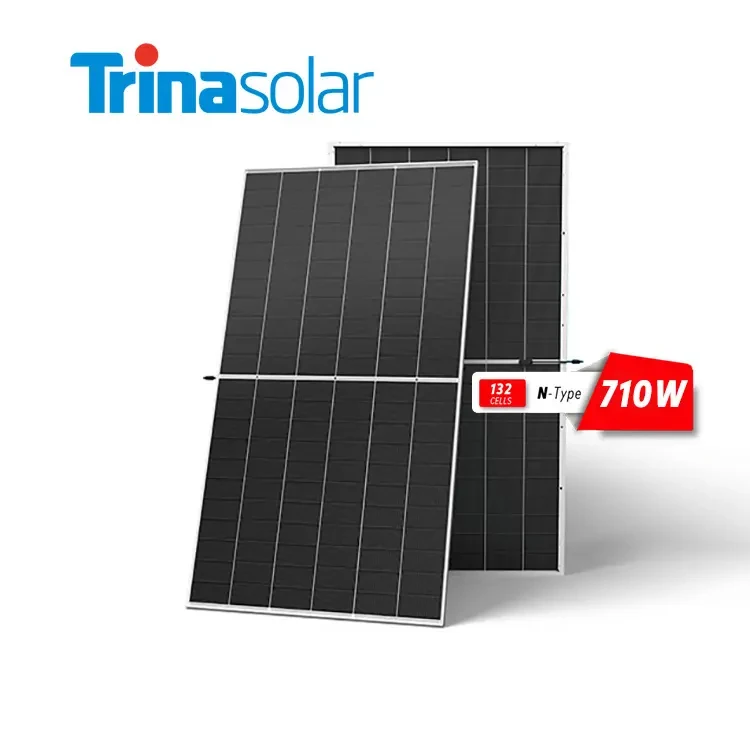
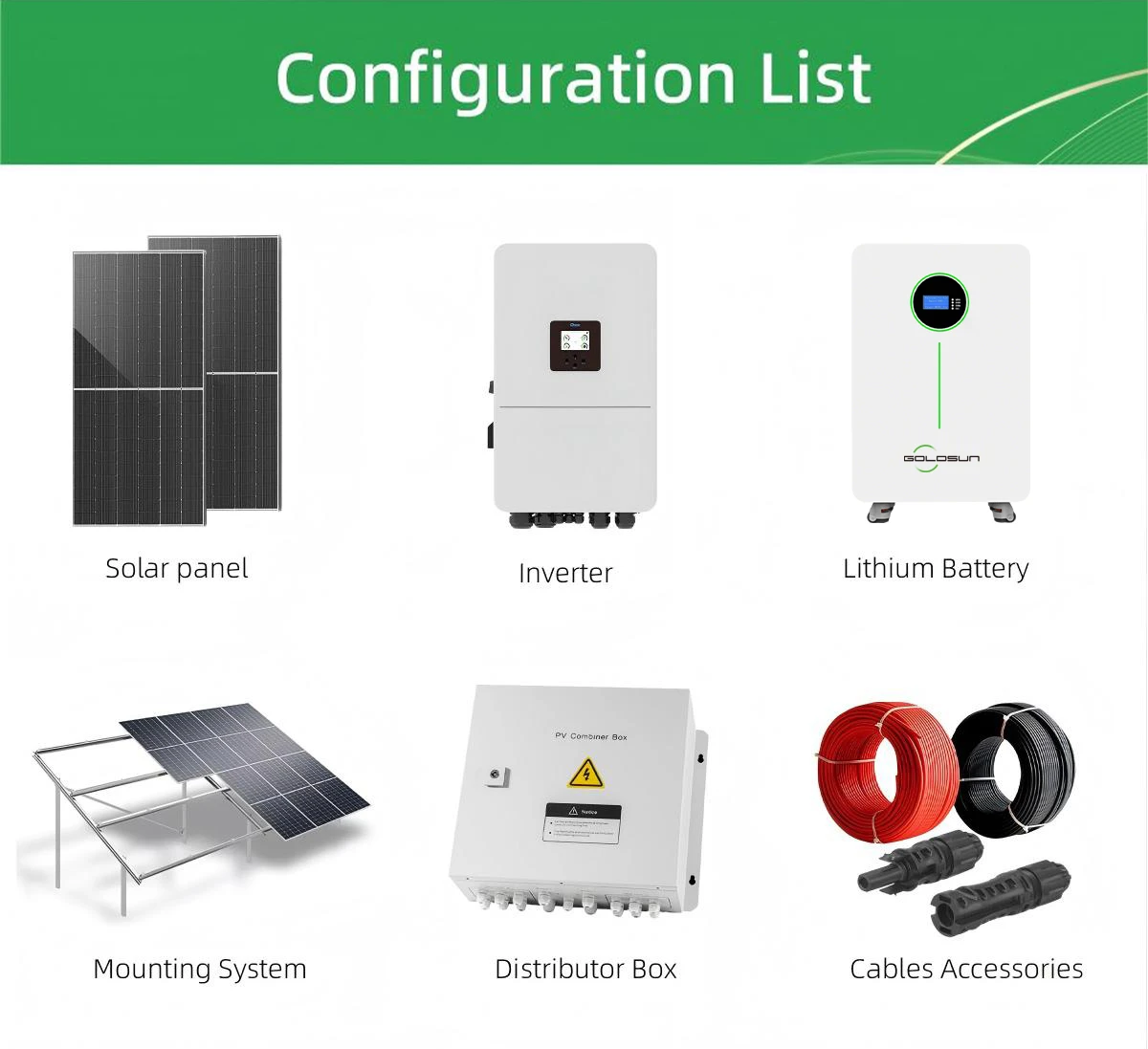
1. Solar Panels (10 kW to 20 kW Capacity)
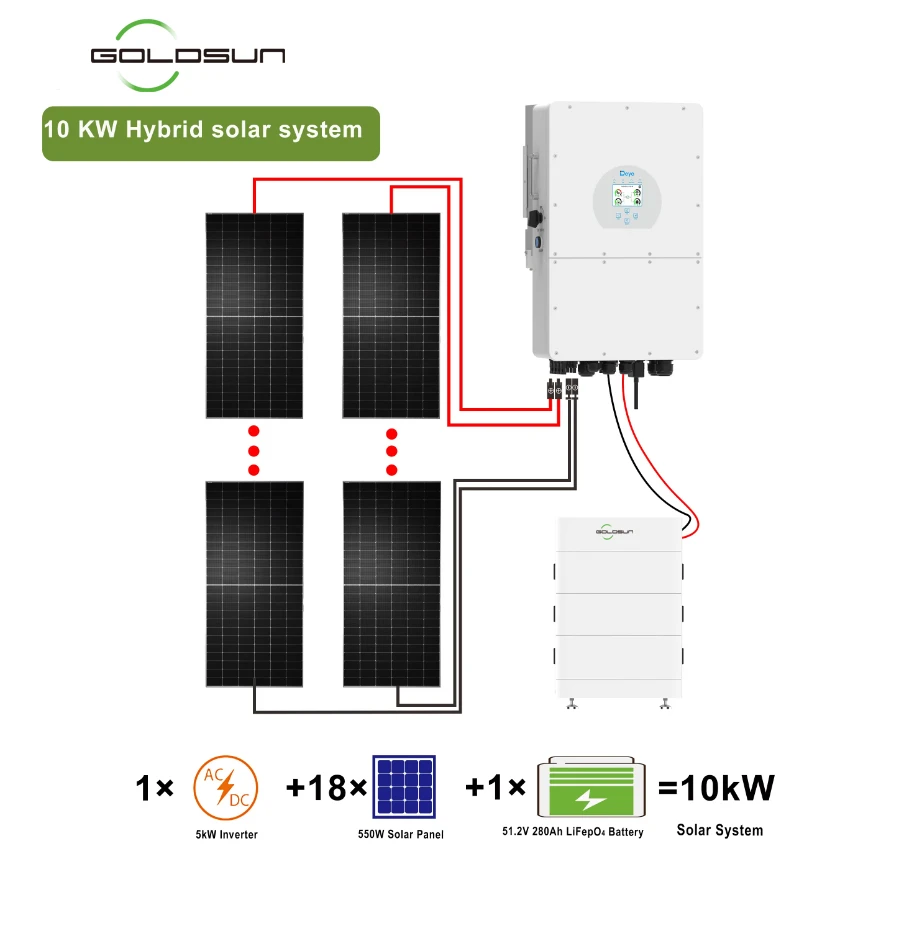
● The system's solar panel capacity ranges from 10 kW to 20 kW, depending on your specific energy requirements.
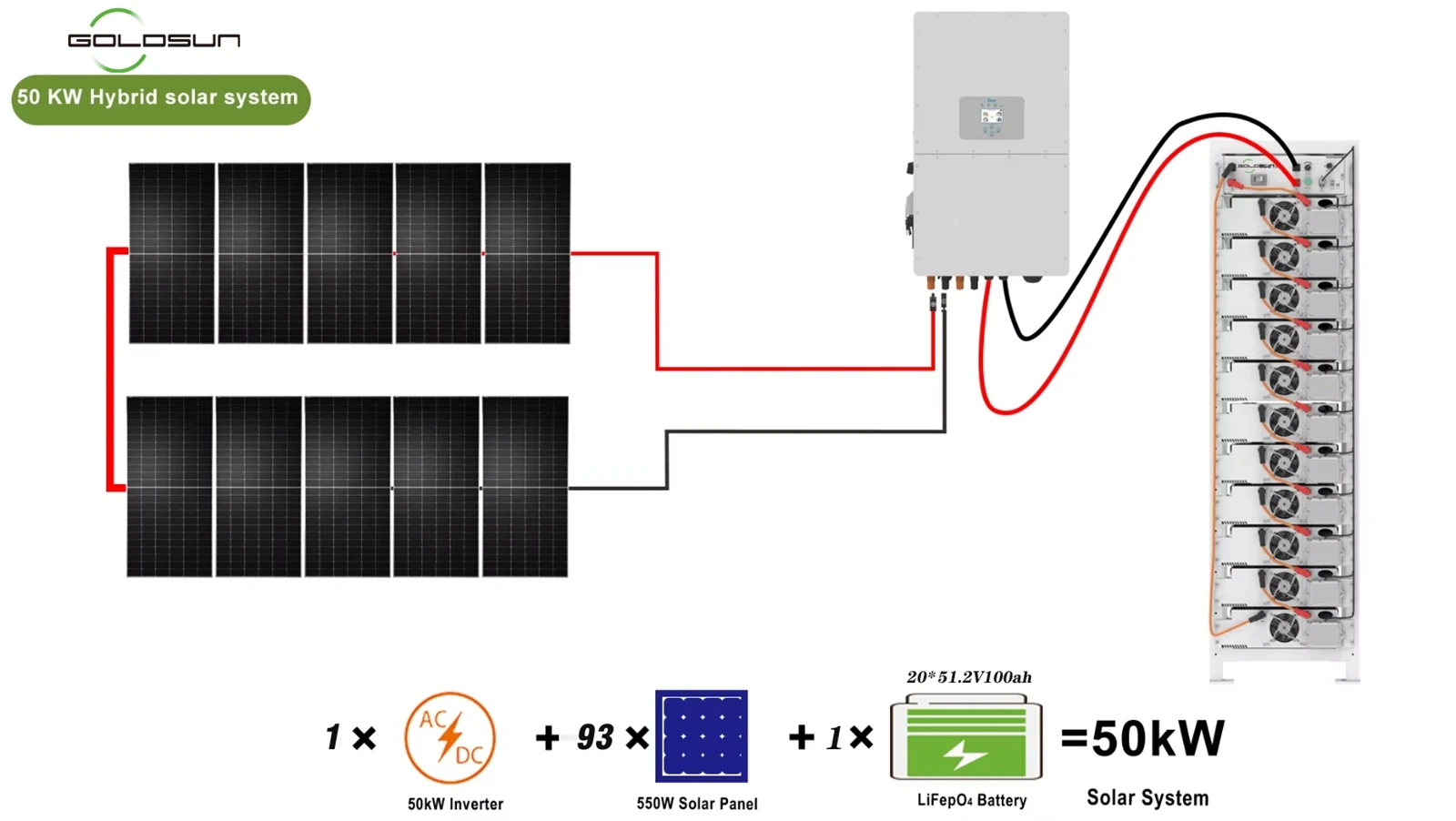
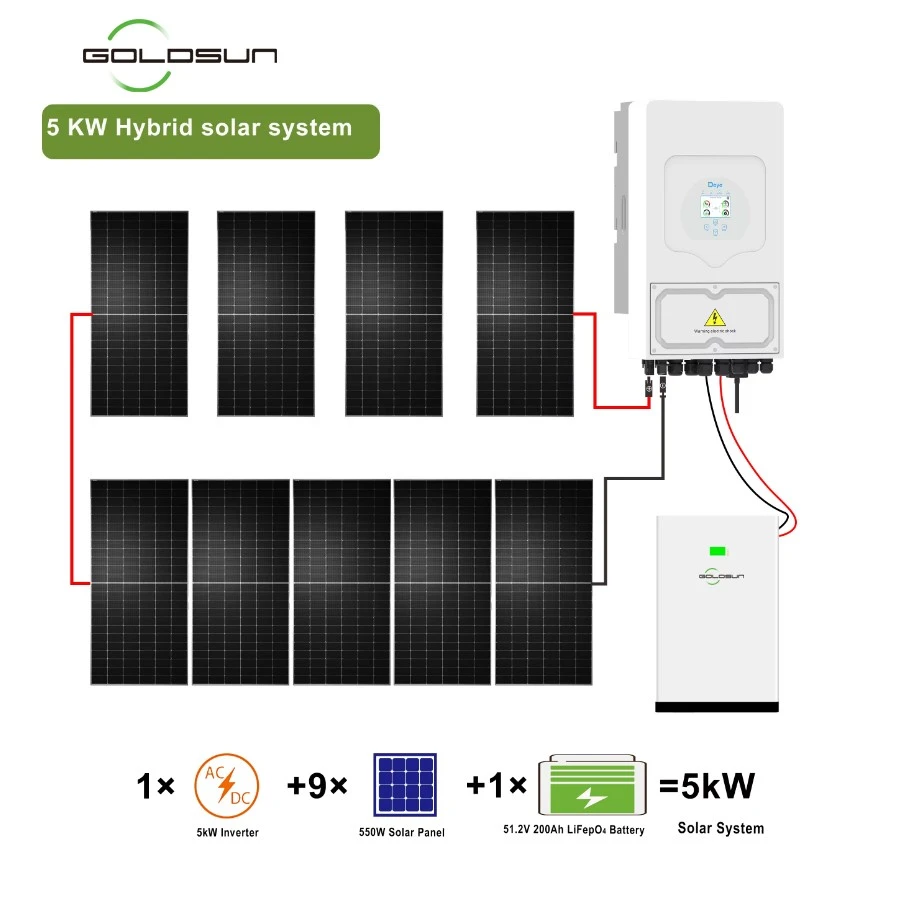
● A typical solar panel has a rated output of 550 W. Therefore, a 10 kW system requires approximately 20 panels, while a 20 kW system requires approximately 36 panels.
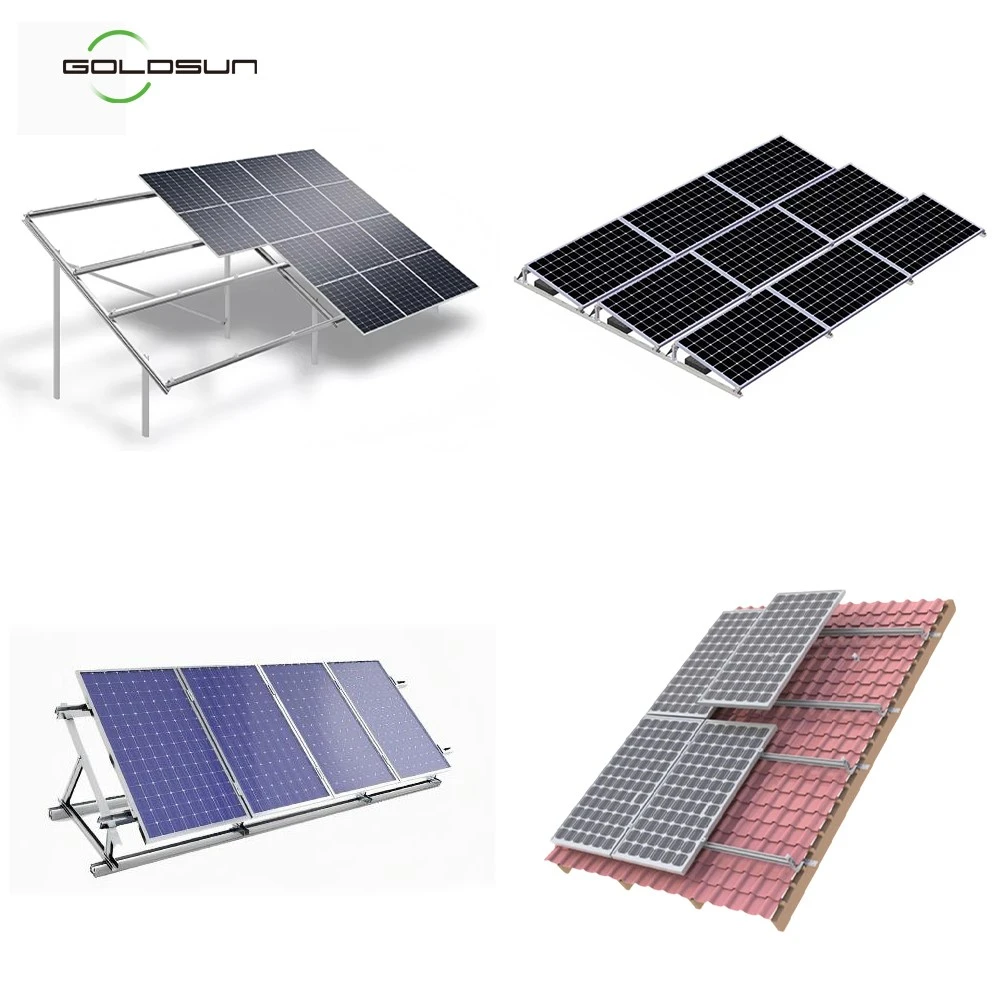
● The total number of panels required depends on the wattage of the selected panels and the available installation space.
● Solar panels convert sunlight into DC (direct current) electricity.
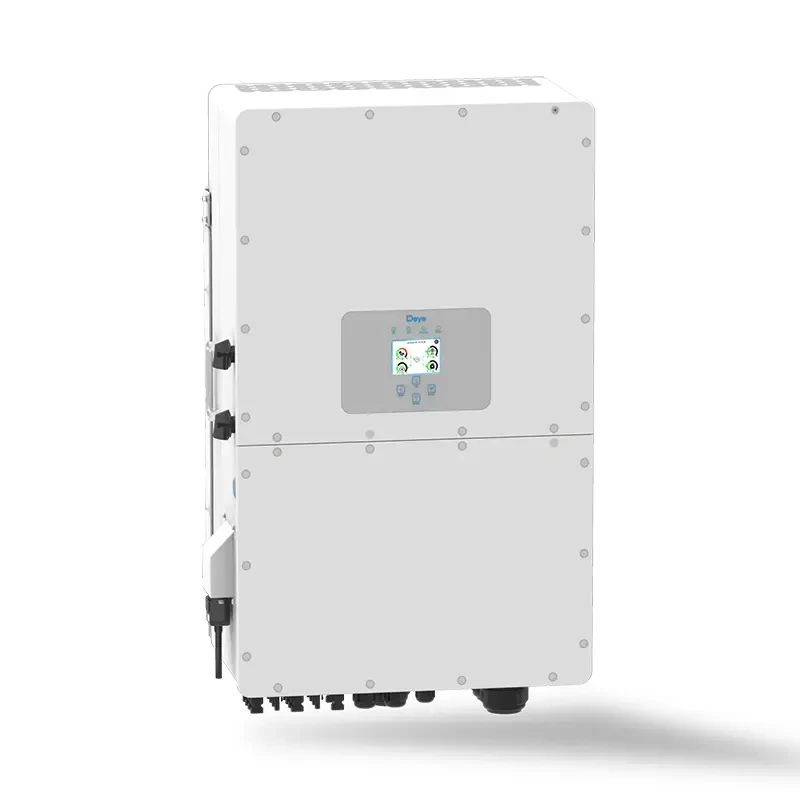
2. Hybrid Inverter
● The hybrid inverter plays a key role in a hybrid solar system by managing energy generation from the solar panels, battery storage, and interaction with the utility grid.
● It converts the DC electricity generated by the solar panels into AC (alternating current) electricity for household or commercial use.
● It also controls when energy is stored in the battery, supplied to the grid, or used directly, ensuring the system operates efficiently.
● Hybrid inverters are available in different capacities and should be matched to the total output of the solar panel array. A typical hybrid inverter for a 10 kW system is rated at 10 kW to 12 kW, while a 20 kW system may require one or two higher-capacity hybrid inverters.
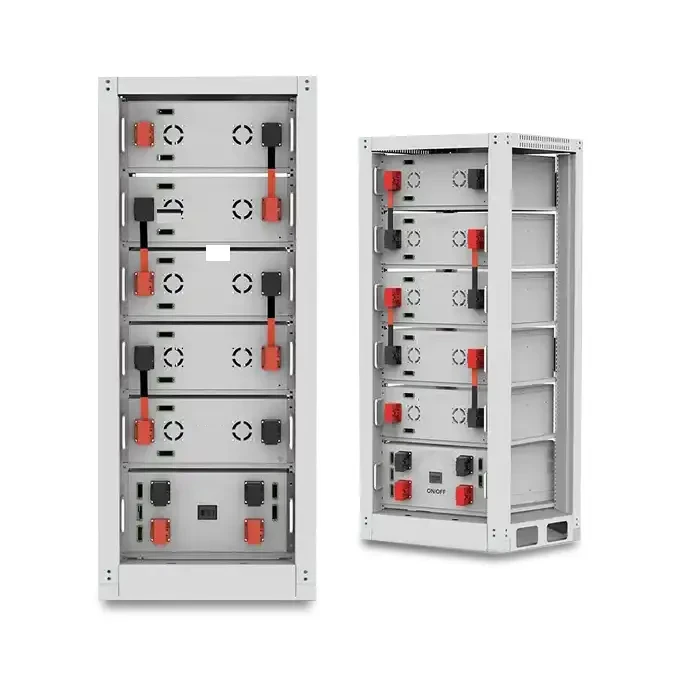
3. Battery Storage
● Battery storage is a critical component of a hybrid solar system, allowing excess solar energy to be stored for use at night or during periods of low sunlight. It also provides backup power during grid outages, reducing reliance on the utility grid.
● For a 10 kW system, battery storage typically ranges from 10 kWh to 30 kWh. For a 20 kW system, battery capacity typically ranges from 30 kWh to 60 kWh, depending on your energy consumption and backup power requirements.
4. Energy Management System (EMS)
● The EMS is a smart controller that monitors and optimizes energy generation, storage, and consumption.
● It ensures the battery is charged efficiently, supplies power to your home or business when needed, and can export excess energy to the grid where permitted.
● Advanced EMS solutions allow users to monitor energy production and consumption through mobile apps, providing real-time insights into solar generation, battery status, and overall system performance.
How does hybrid solar generator system Work?
Solar Generation:
During the day, the solar panels generate electricity. Any electricity consumed by the household is supplied directly by the solar panels. If excess energy is generated, it is stored in the battery system.
Energy Storage:
When the solar panels produce more electricity than the home is consuming, the surplus energy is stored in the batteries for later use.
Energy Use:
At night or when there is insufficient sunlight, the energy stored in the batteries is used to power the home. If the batteries are depleted, the home will either draw electricity from the grid or, where net metering is available, offset grid electricity consumption with previously earned energy credits.
Backup Power:
Some hybrid systems include an optional backup power feature. This enables the system to supply electricity to critical loads, such as lighting, refrigerators, and medical equipment, during a grid outage, ensuring a continuous power supply even when the grid is unavailable.
Hot Tags: hybrid solar generator system, China hybrid solar generator system manufacturers, suppliers, factory, solar electricity monitoring system, solar energy installation, solar energy inverter system, solar energy monitoring set, solar energy output set, solar power converter system